How Dis-ease becomes Disease
Depression, to me, feels like a deep sadness inside and a longing for life to somehow be different. It often shows up as a struggle between the ideal and the reality — between who we wish we were and who we feel we are.
Yes, chemical or hormonal imbalances can play a role, but I have come to see those imbalances as symptoms of something deeper. They are often rooted in emotional wounds, childhood pressures, losses, or patterns we carry without even realizing it. Sometimes it comes from losing our sense of purpose, especially after the death of someone we love.
Depression shows us just how connected the mind and body are: when the mind feels heavy, the body loses vitality. Healing begins with slowing down, listening deeply to ourselves, and gently reconnecting to meaning and purpose.
How Stress and the Body Intertwine
So often depression hides behind fatigue, sugar cravings, or adrenal burnout. Stress pushes the adrenals until they can no longer keep up, leaving us in a cycle of exhaustion and low mood. Sugar highs and crashes only intensify this pattern, often bringing irritability and hopelessness.
The path back begins with nourishing the body — especially the adrenals and nervous system — while also tending to the heart and mind.
Supporting the Body with Nutrition
Pantothenic Acid (B5): For energy production and nervous system resilience.
Folic Acid: For cellular growth and glandular health.
Vitamin B-12: For red blood cell formation, nerve health, and energy metabolism.
Aspartic Acid: To increase stamina and endurance.
Gotu Kola: To enhance circulation, oxygenation, and memory.
Licorice Root: To support the adrenals in times of stress.
Rhodiola: To balance blood sugar and protect against fatigue.
Practices for Healing
Healing depression is rarely about just one thing — it’s a weaving together of practices that restore balance.
1. Self-Help Experience: Harmonizing Thoughts
Pause often and notice your thoughts. Label them: positive/negative, helpful/unhelpful.
When a thought weighs you down, practice releasing it and replacing it with something lighter.
Use your breath to shift your state — slow, deep inhales and long exhales lower anxiety.
Invite in imagery of peace: a mountain lake, a sunrise, or a joyful memory.
(Shapiro, 1990; Shapiro, 1996)
2. Journaling for Release and Clarity
Writing is one of the most direct ways to unburden the mind. Research shows expressive writing can reduce depressive symptoms and even improve immune function (Pennebaker, 1997).
Try this:
Set aside 15 minutes.
Write about what feels heaviest in your life right now, without censoring yourself.
When finished, close your journal and take three deep breaths, acknowledging that the page now carries some of what you were holding.
3. Mindful Movement
Movement shifts energy and helps reset the nervous system. Yoga and tai chi have been shown to reduce depressive symptoms and increase vitality (Field, 2016; Wang et al., 2010).
Try this:
Practice gentle stretching, yoga postures, or a slow walk while focusing on your breath.
Imagine each exhale releasing heaviness from your body
4. Heart Breathing
The HeartMath Institute has shown that focusing breath and attention in the heart space can reduce stress and increase positive emotion (McCraty et al., 2009).
Try this:
Place your hand on your chest.
Inhale slowly through the nose, exhale gently through the mouth.
Imagine breathing in and out of your heart.
Bring to mind something you appreciate — even something small.
5. Rest as Medicine
Often depression deepens because we push ourselves to keep going instead of honoring the need for deep rest. Allowing ourselves permission to rest can be profoundly healing.
Try this:
Set aside 20 minutes for intentional rest. Lie down, close your eyes, and let your body sink into the surface beneath you.
Whisper to yourself: It’s safe to rest. I don’t need to carry it all right now.
Reflection Prompts
What stresses in my life feel overwhelming right now?
When do I notice myself reaching for sugar, caffeine, or distractions? What might I actually be needing in those moments?
What thoughts repeat in my mind most often? How do they make me feel physically?
When have I felt most alive and purposeful in my life? What was present then that I may be missing now?
What is one small, nourishing thing I can give myself today?
References
Field, T. (2016). Yoga research review. Complementary Therapies in Clinical Practice, 24, 145–161.
McCraty, R., Atkinson, M., Tomasino, D., & Bradley, R. T. (2009). The coherent heart: Heart–brain interactions, psychophysiological coherence, and the emergence of system-wide order. Integral Review, 5(2), 10–115.
Pennebaker, J. W. (1997). Opening Up: The Healing Power of Expressing Emotions. Guilford Press.
Shapiro, D. (1990). Bodymind Workbook: Exploring How the Mind and the Body Work Together. Element Books Ltd.
Shapiro, D. (1996). Your Body Speaks Your Mind: Decoding the Emotional, Psychological, and Spiritual Messages that Underlie Illness. HarperCollins.
Wang, C., Bannuru, R., Ramel, J., Kupelnick, B., Scott, T., & Schmid, C. H. (2010). Tai Chi on psychological well-being: Systematic review and meta-analysis. BMC Complementary and Alternative Medicine, 10(23).

Depression



The Heart
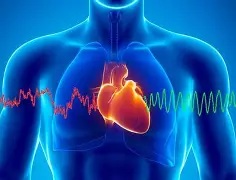
The heart is one of the most extraordinary organs we have — not just a physical pump, but a living symbol of our emotional and spiritual center. It’s remarkable in its design, working every moment of our lives without rest, circulating thousands of gallons of blood each day through miles of vessels. Though small in size, about the size of a closed fist, its reach touches every cell in our body.
On a physical level, the heart adjusts our circulation to meet the needs of our cells. Age, gender, and activity all influence its rhythm, but what strengthens it most is movement, breath, and joy in living. Exercise lowers the resting heart rate, improves lung function, clears cholesterol, and releases endorphins — the body’s natural pain relievers. Proper nourishment also fuels the heart, much like oil fuels an engine. Calcium, magnesium, potassium, and essential vitamins all play their part, as do nutrients like CoQ10 and fish oil, which protect and energize the heart’s cells.
Yet the heart is far more than mechanics. It is the home of compassion, kindness, and love. It is where we feel brokenhearted or full-hearted, where gratitude wells up as heartfelt thanks, and where fear can make it skip a beat. The heart chakra connects us to love beyond ourselves, but to fully enter that space we must first learn to love and accept who we are. If we cannot feel that love within, then our attempts to love others may be bound up in need, pain, or self-denial. True love is unconditional. It flows for the sake of love itself, without bargaining or expectation.
The heart is also linked to the thymus and the immune system. When we live with love and forgiveness, our bodies respond with vitality and resilience. When we live in fear, anger, or frustration, our defenses weaken. In this way, the heart teaches us that emotional harmony is inseparable from physical health.
Symbolically, the heart speaks of faith and spirit. Blood represents life force, and breath (spiritus) is the oxygen that carries heaven into our cells. When circulation is free and strong, we live in faith and flow with spirit. When it is blocked, it can reflect emotional constriction — a loss of connection, trust, or self-love. Heart troubles ask us to slow down, to return to what matters, and to share love generously — first with ourselves, and then with others.
To live with an open heart is to live in alignment with both body and spirit. It is to think not only with the mind but also with the wisdom of the heart, where decisions may seem illogical but often guide us to deeper joy and truth.
Reflection / Practice
Place your hand gently on your heart and breathe deeply. Notice its rhythm, steady and faithful. Whisper to yourself: “I love and accept myself. I open my heart to give and receive freely.”
Move your body today — walk, stretch, or dance — and imagine each movement as a way of saying thank you to your heart.
Nourish your heart with foods rich in vitality, and nourish it with thoughts rich in love.
Would you like me to now drop this rewrite into a Word doc so you have it ready to save alongside the originals?
1. Heart Breath
Sit comfortably and place one hand on your heart.
Inhale slowly through your nose for a count of 4, imagining breath moving directly into your heart.
Hold softly for a count of 2.
Exhale through your mouth for a count of 6, imagining tension leaving your chest.
Repeat for 3–5 minutes.
This practice reduces stress, lowers blood pressure, and helps reconnect to heart space.
2. Heart-Opening Stretch
Stand with feet hip-width apart.
Interlace your fingers behind your back and gently straighten your arms, opening your chest.
Lift your sternum toward the sky, broadening across the collarbones.
Take 5–10 deep breaths, expanding the lungs and stretching the heart area.
This helps release emotional tightness and increases circulation.
3. Loving-Kindness Meditation
Close your eyes and bring to mind someone you love deeply.
Silently repeat: “May you be safe. May you be healthy. May you be happy. May you live with ease.”
Extend these blessings to yourself, then to friends, to strangers, and finally to all beings.
This practice strengthens compassion, reduces anxiety, and softens emotional walls.
4. Gentle Movement for Circulation
Choose a movement you enjoy — walking, dancing, tai chi, or qigong.
As you move, imagine your heart as the drumbeat, sending rhythm and vitality throughout your body.
Smile into your chest as you move.
Regular, joyful movement strengthens the physical heart and uplifts the emotional heart.
5. Heart Journaling
Each evening, write down 3 things you are grateful for.
Then, place your hand on your heart and reread them aloud.
Gratitude has been shown to improve heart health and boost overall resilience.
Reflection
It has taken me many years to truly understand the importance of loving myself. For so long, I tried to be what others wanted me to be, shaping myself around their expectations instead of honoring my own truth. Moving through failed relationships and finally learning to let go of what people think has been a long, painful, but liberating process.
At age 40, I was told I was a “walking heart attack waiting to happen.” Finding energy medicine quite literally saved my life. It showed me that self-love is not optional — it is essential. And yet, loving ourselves unconditionally is one of the hardest lessons we face. Until I began learning this, I was unhappy, and I felt broken. Even now, I’m not perfect at it.
It gets especially hard when friends or family ask why I stay with someone, projecting how they believe that person should act instead of allowing them their own journey. But love asks us to meet people where they are. We are all walking the same path to the other side, and the world would be gentler if we could offer more love along the way.
Here are some ways that have helped me (and may help you) to practice self-love and learn the deeper art of loving unconditionally:
Non-judgment: Spirituality is not about comparing yourself to others or feeling superior. It begins with recognizing that every person is doing the best they can in this moment. Be mindful of how you think and speak about others — even when they’re not present.
Kindness: It is easy to be kind to those we love, but true kindness extends even to those who hurt us. Often, the people who lash out are the ones most in need of kindness. Set a daily intention to be kinder.
Compassion: Step out of your own emotions long enough to feel the pain of another. Compassion doesn’t mean you agree with their choices — it means you understand they have their own reasons for them.
Checking anger: Anger is one of our strongest emotions. If small things easily trigger you, pause and ask, “Why am I really upset?” Awareness is the first step in releasing it.
Letting go: Resentment eats away at the heart. Forgiveness doesn’t excuse what happened — it frees you from carrying it. I still struggle with this myself. Just recently, someone called me out for not being as kind as I could have been. I was grateful, deleted my post, and let it go.
Mindful words: Words carry immense power — to heal or to wound. Choose them with care. Mindful speech creates mindful relationships.
Truth: Loving yourself means living authentically. Speak your truth, even when it is difficult. You don’t need to shrink or pretend to be anyone else.
Generosity: Give freely — not just material gifts, but your time, your attention, your presence. Often that is what someone needs most.
Heart hugs: A simple hug can change everything. Hugs release dopamine (pleasure), serotonin (mood balance), and oxytocin (the love hormone). A 10-second hug strengthens the immune system. A 20-second hug lowers blood pressure and relieves stress. Hugging is medicine for the heart.
And finally — Gratitude. Each morning, I try to find three things to be grateful for. It shifts my whole day. My mood is lighter, stress lessens, people are friendlier, even the little things — like finding my favorite parking spot — seem to flow more easily. Gratitude is a magnet for grace.
References (APA 7th edition)
Benson, H., & Proctor, W. (2010). Relaxation revolution: The science and genetics of mind body healing. Scribner.
→ Supports heart-breath and relaxation practices.Fredrickson, B. L., Cohn, M. A., Coffey, K. A., Pek, J., & Finkel, S. M. (2008). Open hearts build lives: Positive emotions, induced through loving-kindness meditation, build consequential personal resources. Journal of Personality and Social Psychology, 95(5), 1045–1062. https://doi.org/10.1037/a0013262
→ Supports Loving-Kindness Meditation effects on emotional and physical well-being.Shapiro, D. (1996). Your body speaks your mind: Decoding the emotional, psychological, and spiritual messages that underlie illness. HarperCollins.
→ Source of heart-bodymind connection ideas.Schwartz, M. (2006). The naturopathic nutrition handbook. Symbology Press. ISBN 9780979688454
→ Source for nutritional and symbolic aspects of the heart.Thayer, J. F., & Lane, R. D. (2009). Claude Bernard and the heart–brain connection: Further elaboration of a model of neurovisceral integration. Neuroscience & Biobehavioral Reviews, 33(2), 81–88. https://doi.org/10.1016/j.neubiorev.2008.08.004
→ Supports the connection between heart rate variability, emotional regulation, and health.Watkins, L. L., Grossman, P., Krishnan, R., & Sherwood, A. (1998). Anxiety and vagal control of heart rate. Psychosomatic Medicine, 60(4), 498–502. https://doi.org/10.1097/00006842-199807000-00018
→ Supports breathwork and heart-focused stress reduction.


















Fatigue is more than just being tired—it is the weariness of life itself, an inner exhaustion that can arise from the stress of simply trying to survive. It often accompanies depression, chronic stress, and even experiences such as homelessness or major life instability. Fatigue can carry a sense of inadequacy, incompetence, and disinterest in life. It signals a loss of purpose and direction, a need to reconnect with inner joy, vitality, and love of living.
If you are experiencing fatigue, pause and ask yourself: What was happening in my life when I first noticed this heaviness? Often, fatigue has roots in unresolved emotional wounds or ongoing stress that the body can no longer compensate for.
The Mind–Body Perspective
Mental Fatigue: Chronic stress, anxiety, and depression trigger the body’s stress response, flooding it with cortisol and adrenaline. Over time, this can weaken immunity, dull mental clarity, and slow the body’s natural healing process.
Physical Fatigue: Chronic illness, poor sleep, and nutritional deficiencies also play a role. Conditions such as diabetes, cardiovascular disease, autoimmune disorders, or even undiagnosed vitamin imbalances can increase fatigue levels.
Interconnectedness: Sleep, emotions, and physical health constantly influence each other. For example, poor sleep increases fatigue, which worsens mood, creating a cycle that is difficult to break.
Regulation & Renewal: Practices such as mindfulness, breathwork, and movement can regulate the nervous system, restore balance, and reawaken energy.
Reflection
Take a few quiet minutes with a journal:
When did I first notice my fatigue?
Was there a particular life event or emotional stressor happening at that time?
What does my body need right now—rest, nourishment, movement, or emotional release?
This reflection can help uncover the hidden roots of your tiredness and point toward what your body and spirit are truly asking for.
Mind–Body Exercise for Fatigue
Here’s one simple exercise you can use anytime a wave of fatigue hits:
Grounding Breath and Energy Reset
Sit comfortably with both feet on the floor. Close your eyes.
Place one hand on your heart and the other on your abdomen.
Inhale deeply through your nose for a count of 4, feeling your belly rise.
Hold for 2 counts, imagining light filling your body.
Exhale slowly through your mouth for a count of 6, releasing heaviness and fatigue.
Repeat this cycle for 3–5 minutes, visualizing yourself reconnecting with the earth and drawing up fresh energy.
This simple practice calms the nervous system, brings oxygen to the brain and muscles, and helps you feel both grounded and renewed.
Closing Insight
Fatigue is not only a physical state—it is also a message from the deeper self. By listening to the body, reflecting on the emotional roots, and practicing simple mind-body exercises, we can restore vitality and reconnect with our inner life force.
References
Shapiro, D. (1990). The bodymind workbook: Exploring how the mind and body work together. Element Books.
Shapiro, D. (1996). Your body speaks your mind: Decoding the emotional, psychological, and spiritual messages that underlie illness. HarperCollins.
Ahlberg, A. C., Ahlberg, G., & Fahlén, G. (2003). Fatigue in everyday life: Associations with perceived health and activity. Physiotherapy Theory and Practice, 19(2), 105–118. https://doi.org/10.1080/09593980307963
Servaes, P., Verhagen, C., & Bleijenberg, G. (2002). Fatigue in cancer patients during and after treatment: Prevalence, correlates, and interventions. European Journal of Cancer, 38(1), 27–43. https://doi.org/10.1016/S0959-8049(01)00332-X
Van der Werf, S. P., Van den Broek, H. L., Anten, H. W., & Bleijenberg, G. (2001). Experience of severe fatigue long after stroke and its relation to depressive symptoms and disease characteristics. European Neurology, 45(1), 28–33. https://doi.org/10.1159/000052095
Fatigue
The Path of a Healer: My Miraculous Life
Explore my journey through trauma and miracles that led me to become a nurse but even further led my spiritual journey.
© 2025. All rights reserved.